
Description
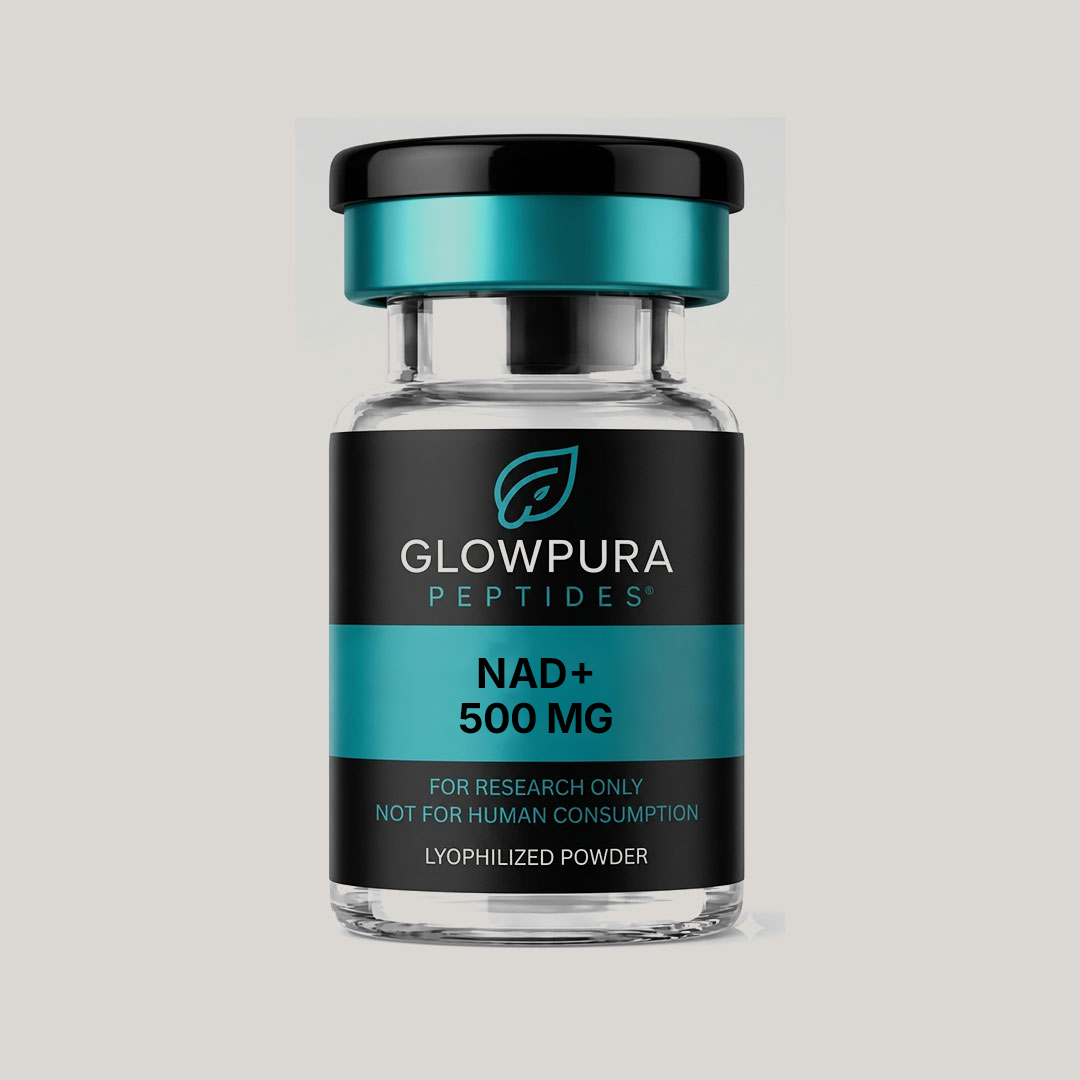
NAD+ 500 mg — Oxidized Nicotinamide Adenine Dinucleotide for Cellular-Energy Research
NAD+ (nicotinamide adenine dinucleotide, oxidized form) is a central pyridine nucleotide cofactor involved in cellular redox reactions, energy metabolism, and signaling. In preclinical and human research, NAD+ and related precursors have been investigated for roles in mitochondrial function, sirtuin activity, and responses to metabolic and oxidative stress.
What It Is
Class: Oxidized pyridine nucleotide coenzyme
Core roles: Electron carrier in glycolysis, the tricarboxylic-acid (TCA) cycle, and oxidative phosphorylation; substrate for several signaling enzymes.
Research focus: Cellular energy balance, mitochondrial biology, redox state, and NAD+-dependent signaling pathways.
Proposed Mechanisms & Pathways (Preclinical)
Redox & Energy Metabolism: Central to NAD+/NADH redox cycling in energy-producing pathways like glycolysis, TCA cycle, and the electron transport chain. It influences ATP generation and mitochondrial respiratory-chain activity. Changes in NAD+ pools are associated with shifts in metabolic flexibility and substrate utilization.
Signaling & Stress Responses: Acts as a substrate for sirtuins (SIRT family), PARPs, and other NAD+-consuming enzymes involved in DNA repair, chromatin structure, and stress responses. Explored in models of oxidative stress, inflammation, and cellular aging where NAD+ availability may modulate key signaling pathways.
Selected Research Highlights
Mitochondrial Function: NAD+ levels and NAD+/NADH ratios are widely used readouts in studies of mitochondrial performance, bioenergetics, and respiratory-chain function.
Aging & Cellular Stress: Experimental work has linked altered NAD+ metabolism to markers of cellular aging, DNA damage responses, and stress resistance in multiple model systems.
Metabolic Models: NAD+-related interventions are used to probe glucose and lipid metabolism, insulin sensitivity, and metabolic health markers in preclinical and early clinical research.
Sirtuin & PARP Research: NAD+ serves as a required substrate in studies of sirtuin-mediated deacetylation and PARP-mediated poly(ADP-ribosyl)ation, with downstream effects on gene expression and repair pathways.
Chemical & Handling Information
Type: Nicotinamide adenine dinucleotide, oxidized form (NAD+)
Appearance: White to off-white lyophilized powder (hygroscopic; handle promptly)
Specifications
Compound: NAD+ (nicotinamide adenine dinucleotide, oxidized form)
Amount: 500 mg per vial
Form: Lyophilized powder
Purity: ≥99% (HPLC); COA per lot available
Packaging: Sealed vials suitable for standard laboratory handling
Storage & Stability
Store lyophilized vials in a cool, dry place, protected from light and moisture. Refrigeration or freezing of the lyophilized material is recommended for extended stability, according to laboratory SOPs.
After reconstitution, store at 2–8 °C for short-term use. For longer-term storage, aliquot and freeze at -20 °C or below; avoid repeated freeze–thaw cycles.
Research use only. Not for human or veterinary use.
There are no reviews yet.